← View More RENAULT Models

RENAULT CLIO Common Problems & Reliability

Based on 25,128 MOT tests from 1,744 vehicles analysed by VehicleScore. The figures below describe that VehicleScore sample. Recurring issues seen in VehicleScore MOT data are not a claim that every RENAULT CLIO has the same fault.

RENAULT CLIO's have a average reliability rating of 499/999. The score was calculated from the average of every RENAULT CLIO that has had a registered MOT.

We calculated all of the below figures by getting the score from each vehicle make/model/year/fuel, which are each calculated a score. We then generate the average score, taking into account factors such as mileage and emissions.

Also check BHP & performance, road tax, fuel economy, and CO2 emissions for the RENAULT CLIO.

RENAULT logo
RENAULT logo
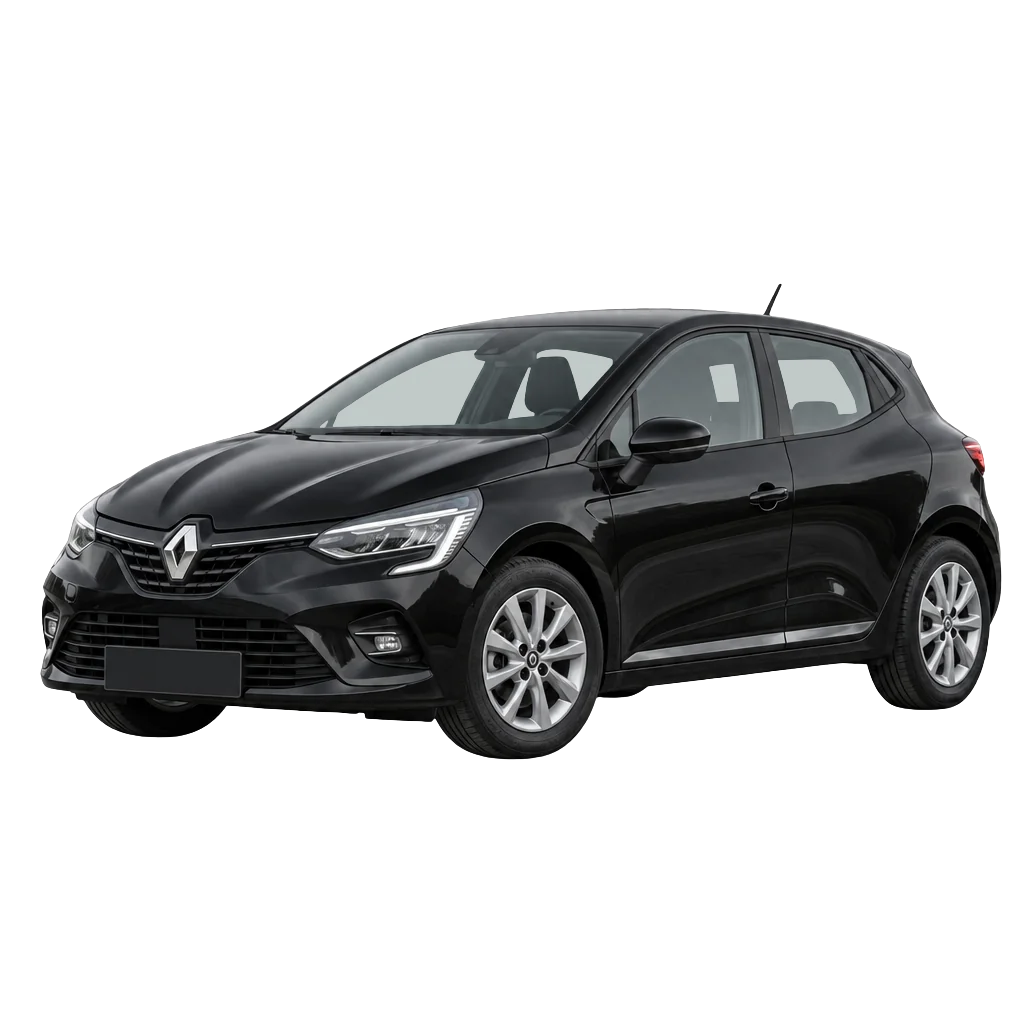
RENAULT CLIO side viewRENAULT CLIO (example)
Renault logo

Check the reliability of your Renault Clio

Enter your registration to see the MOT history for this car.

Renault Clio side view
  • Service history

    Dealer & service records

  • MOT records

    Past & current MOT data

  • Write-off check

    Check for insurance write-offs

  • Finance check

    Outstanding finance & theft checks

Fuel TypeYearReliability ScoreAvg MileageSample Size
Petrol2019802/999Excellent79,176 miles6,719 vehicles
Diesel2018663/999Good76,667 miles3,513 vehicles
Petrol2016721/999Very good81,019 miles8,422 vehicles
Diesel2015557/999Above average76,049 miles7,129 vehicles
Petrol2015670/999Good77,575 miles11,236 vehicles
Diesel2014499/999Average83,181 miles5,252 vehicles
Petrol2014523/999Above average88,563 miles12,695 vehicles
Diesel2011469/999Average86,106 miles2,994 vehicles
Petrol2011498/999Average85,364 miles10,496 vehicles
Diesel2010428/999Average88,822 miles2,367 vehicles
Diesel2009407/999Average81,861 miles2,197 vehicles
Petrol2009432/999Average93,319 miles7,700 vehicles
Petrol2008402/999Average82,417 miles10,826 vehicles
Petrol2005370/999Fair89,534 miles21,643 vehicles
Diesel2003359/999Fair83,379 miles3,186 vehicles
Diesel2002369/999Fair84,898 miles3,640 vehicles
Petrol2002378/999Fair85,276 miles22,412 vehicles
Petrol2001395/999Fair82,099 miles24,588 vehicles
Petrol2000407/999Average78,781 miles23,855 vehicles
Petrol1999486/999Average80,476 miles4,387 vehicles
Petrol1998551/999Above average82,397 miles2,705 vehicles
Petrol1995594/999Above average83,871 miles1,765 vehicles

How reliable is the RENAULT CLIO?

Based on 25,128 MOT tests from 1,744 vehicles analysed by VehicleScore.

Vehicles

1,744

MOT tests

25,128

Pass rate

71.2%

Median mileage

77,293 mi

Recurring issues seen in VehicleScore MOT data are inspection findings from this sample. They are not a statement that every RENAULT CLIO has the same fault. The median VehicleScore in this sample is 618 out of 999.

Common RENAULT CLIO MOT problems

These groups combine equivalent MOT comments, such as the same tyre note on different corners. Counts are comment occurrences in the sample, not a percentage of cars.

Tyre wear

VehicleScore MOT data includes 4,909 advisory comments and 155 failure comments in this group. Seen as both an advisory and a failure reason. These are comment occurrences, not a share of all cars.

These MOT comments record tyres that were worn, damaged, or close to the legal tread depth when the car was inspected.

What to inspect

Check the tread depth and look for uneven wear, cracking, or damage on all four tyres.

Example MOT wording: NEARSIDE FRONT TYRE WORN CLOSE TO LEGAL LIMIT/WORN ON EDGE (5.2.3 (E))

Brake disc wear

VehicleScore MOT data includes 1,361 advisory comments in this group. Seen mainly as an advisory. These are comment occurrences, not a share of all cars.

These MOT comments record brake discs that were worn, scored, pitted, or corroded.

What to inspect

Look at the disc faces for deep scoring, a lip at the edge, and corrosion.

Example MOT wording: FRONT BRAKE DISC WORN, PITTED OR SCORED, BUT NOT SERIOUSLY WEAKENED (1.1.14 (A) (II))

Coil spring issues

VehicleScore MOT data includes 1,019 failure comments in this group. Seen mainly as a failure reason. These are comment occurrences, not a share of all cars.

These MOT comments record coil springs that were corroded, fractured, or otherwise defective. They are counted separately from shock absorbers.

What to inspect

Look for a broken or heavily corroded spring and compare the ride height on both sides.

Example MOT wording: OFFSIDE FRONT COIL SPRING FRACTURED OR BROKEN (5.3.1 (B) (I))

Ball joint wear

VehicleScore MOT data includes 833 failure comments in this group. Seen mainly as a failure reason. These are comment occurrences, not a share of all cars.

These MOT comments record a worn or damaged ball joint. Track rod ends are counted with steering, not here.

What to inspect

Ask for the joint to be checked for play with the suspension loaded and unloaded.

Example MOT wording: NEARSIDE FRONT SUSPENSION ARM BALL JOINT EXCESSIVELY WORN (5.3.4 (A) (I))

Oil leak

VehicleScore MOT data includes 629 advisory comments in this group. Seen mainly as an advisory. These are comment occurrences, not a share of all cars.

These MOT comments record an oil leak noted by the tester. Shock absorber misting is counted as a damper issue, not as an engine oil leak.

What to inspect

Look under the engine for fresh oil, and check the oil level.

Example MOT wording: OIL LEAK, BUT NOT EXCESSIVE (8.4.1 (A) (I))

Brake pad wear

VehicleScore MOT data includes 561 advisory comments in this group. Seen mainly as an advisory. These are comment occurrences, not a share of all cars.

These MOT comments record brake pads that were worn or below the inspection limit.

What to inspect

Ask for recent pad replacement and look at the remaining pad thickness.

Example MOT wording: FRONT BRAKE PAD(S) WEARING THIN (1.1.13 (A) (II))

Corrosion

VehicleScore MOT data includes 433 advisory comments in this group. Seen mainly as an advisory. These are comment occurrences, not a share of all cars.

These MOT comments record corrosion the tester could see on the body or structure. Corrosion already named on a spring, brake, or other component is counted with that component.

What to inspect

Inspect the underside, sills, and subframe for heavy corrosion, especially where an advisory mentions it.

Example MOT wording: OFFSIDE FRONT BRAKE PIPE CORRODED, COVERED IN GREASE OR OTHER MATERIAL (1.1.11 (C))

Lamp and bulb faults

VehicleScore MOT data includes 359 failure comments in this group. Seen mainly as a failure reason. These are comment occurrences, not a share of all cars.

These MOT comments record a lamp or bulb other than a headlamp or indicator.

What to inspect

Switch on the side, brake, fog, and number-plate lamps.

Example MOT wording: NEARSIDE FRONT POSITION LAMP NOT WORKING (4.2.1 (A) (II))

RENAULT CLIO MOT reliability by year

A model year is only commented on when VehicleScore has at least 5 vehicles from that year.

YearVehiclesMOT testsPass rateRecurring issues seen
202670—No recurring grouped MOT issue in this year sample
2025220—No recurring grouped MOT issue in this year sample
202421366.7%No recurring grouped MOT issue in this year sample
2023262684.6%Tyre wear
2022153387.9%Tyre wear
2021299884.7%Tyre wear, Brake pad wear
20203014978.5%Tyre wear, Brake disc wear
20196639879.6%Tyre wear, Brake disc wear
20189165681.7%Tyre wear, Brake disc wear
20179887480.4%Tyre wear, Brake disc wear
2016100107373.3%Tyre wear, Corrosion
2015150181972%Tyre wear, Corrosion
2014153208970.5%Tyre wear, Corrosion
2013129183374.4%Tyre wear, Corrosion
201277127568.2%Tyre wear, Coil spring issues
201193168468.8%Tyre wear, Coil spring issues
2010132248969.7%Tyre wear, Coil spring issues
200981164270.2%Tyre wear, Coil spring issues
200867149068.3%Tyre wear, Brake disc wear
200771152572.4%Tyre wear, Brake disc wear
200658130871.6%Tyre wear, Brake disc wear
20054096667.6%Tyre wear, Brake disc wear
20043484168.8%Tyre wear, Brake pad wear
20032360367.8%Tyre wear, Oil leak
20022149771.8%Oil leak, Brake disc wear

What to check when buying a used RENAULT CLIO

This is an inspection checklist based on MOT comments in the VehicleScore sample. It does not mean the car you are looking at has these defects.

  • Tyre wear. Check the tread depth and look for uneven wear, cracking, or damage on all four tyres.

  • Brake disc wear. Look at the disc faces for deep scoring, a lip at the edge, and corrosion.

  • Coil spring issues. Look for a broken or heavily corroded spring and compare the ride height on both sides.

  • Ball joint wear. Ask for the joint to be checked for play with the suspension loaded and unloaded.

  • Oil leak. Look under the engine for fresh oil, and check the oil level.

  • Brake pad wear. Ask for recent pad replacement and look at the remaining pad thickness.

  • Corrosion. Inspect the underside, sills, and subframe for heavy corrosion, especially where an advisory mentions it.

  • Lamp and bulb faults. Switch on the side, brake, fog, and number-plate lamps.

Buying a RENAULT CLIO?

Common problems tell you what can affect RENAULT CLIOs generally. VehicleScore can check the history of the actual car you're considering.

Where does this data come from?

VehicleScore analyses MOT histories from vehicles in its own dataset. Sample sizes vary by model, and a small sample is labelled as such. MOT data records roadworthiness and inspection defects. It does not capture every mechanical or electronic problem a car can have, and a comment on one test is not proof that the model has an inherent fault.

Browse Other RENAULT Models