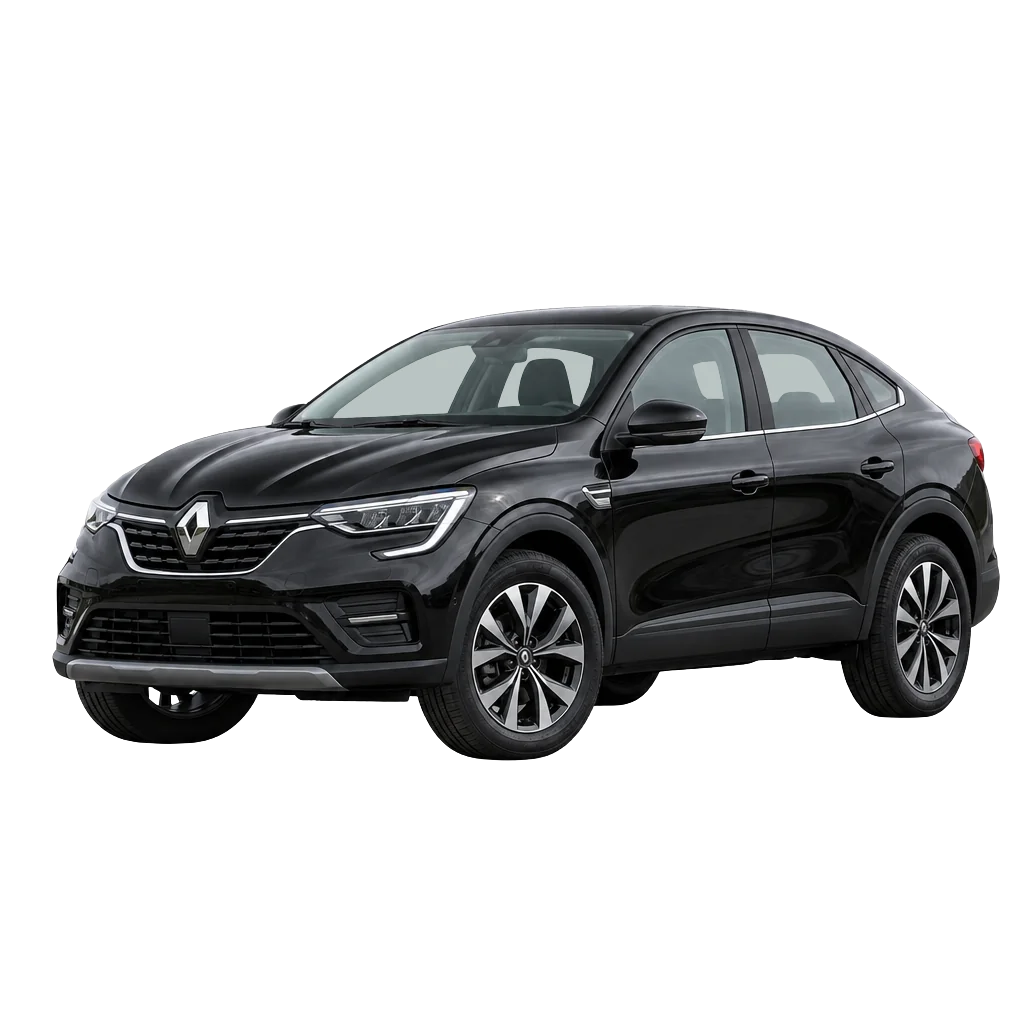
← View More RENAULT Models

RENAULT GRAND SCENIC Common Problems & Reliability

Based on 886 MOT tests from 59 vehicles analysed by VehicleScore. The figures below describe that VehicleScore sample. Recurring issues seen in VehicleScore MOT data are not a claim that every RENAULT GRAND SCENIC has the same fault.

RENAULT GRAND SCENIC's have a average reliability rating of 492/999. The score was calculated from the average of every RENAULT GRAND SCENIC that has had a registered MOT.

We calculated all of the below figures by getting the score from each vehicle make/model/year/fuel, which are each calculated a score. We then generate the average score, taking into account factors such as mileage and emissions.

RENAULT logo
RENAULT logo
RENAULT
Renault logo

Check the reliability of your Renault Grand Scenic

Enter your registration to see the MOT history for this car.

Renault Grand Scenic side view
  • Service history

    Dealer & service records

  • MOT records

    Past & current MOT data

  • Write-off check

    Check for insurance write-offs

  • Finance check

    Outstanding finance & theft checks

Fuel TypeYearReliability ScoreAvg MileageSample Size
Diesel2018667/999Good79,767 miles735 vehicles
Diesel2017638/999Good72,848 miles1,010 vehicles
Diesel2014597/999Above average73,070 miles970 vehicles
Diesel2013483/999Average78,118 miles1,217 vehicles
Diesel2012468/999Average78,285 miles1,865 vehicles
Diesel2009457/999Average78,551 miles1,655 vehicles
Petrol2007356/999Fair78,976 miles737 vehicles
Diesel2005390/999Fair84,303 miles1,134 vehicles
Petrol2005370/999Fair75,556 miles2,151 vehicles

How reliable is the RENAULT GRAND SCENIC?

Based on 886 MOT tests from 59 vehicles analysed by VehicleScore.

Vehicles

59

MOT tests

886

Pass rate

71.6%

Median mileage

92,975 mi

Recurring issues seen in VehicleScore MOT data are inspection findings from this sample. They are not a statement that every RENAULT GRAND SCENIC has the same fault. The median VehicleScore in this sample is 557 out of 999.

Common RENAULT GRAND SCENIC MOT problems

These groups combine equivalent MOT comments, such as the same tyre note on different corners. Counts are comment occurrences in the sample, not a percentage of cars.

Tyre wear

VehicleScore MOT data includes 173 advisory comments and 20 failure comments in this group. Seen as both an advisory and a failure reason. These are comment occurrences, not a share of all cars.

These MOT comments record tyres that were worn, damaged, or close to the legal tread depth when the car was inspected.

What to inspect

Check the tread depth and look for uneven wear, cracking, or damage on all four tyres.

Example MOT wording: NEARSIDE FRONT TYRE WORN CLOSE TO LEGAL LIMIT/WORN ON EDGE (5.2.3 (E))

Brake disc wear

VehicleScore MOT data includes 99 advisory comments in this group. Seen mainly as an advisory. These are comment occurrences, not a share of all cars.

These MOT comments record brake discs that were worn, scored, pitted, or corroded.

What to inspect

Look at the disc faces for deep scoring, a lip at the edge, and corrosion.

Example MOT wording: NEARSIDE REAR BRAKE DISC WORN, PITTED OR SCORED, BUT NOT SERIOUSLY WEAKENED (1.1.14 (A) (II))

Brake pad wear

VehicleScore MOT data includes 73 advisory comments in this group. Seen mainly as an advisory. These are comment occurrences, not a share of all cars.

These MOT comments record brake pads that were worn or below the inspection limit.

What to inspect

Ask for recent pad replacement and look at the remaining pad thickness.

Example MOT wording: REAR BRAKE PAD(S) WEARING THIN (1.1.13 (A) (II))

Lamp and bulb faults

VehicleScore MOT data includes 35 failure comments in this group. Seen mainly as a failure reason. These are comment occurrences, not a share of all cars.

These MOT comments record a lamp or bulb other than a headlamp or indicator.

What to inspect

Switch on the side, brake, fog, and number-plate lamps.

Example MOT wording: OFFSIDE REAR STOP LAMP(S) NOT WORKING (4.3.1 (A) (II))

Coil spring issues

VehicleScore MOT data includes 34 failure comments in this group. Seen mainly as a failure reason. These are comment occurrences, not a share of all cars.

These MOT comments record coil springs that were corroded, fractured, or otherwise defective. They are counted separately from shock absorbers.

What to inspect

Look for a broken or heavily corroded spring and compare the ride height on both sides.

Example MOT wording: OFFSIDE REAR COIL SPRING FRACTURED OR BROKEN (5.3.1 (B) (I))

Track rod wear

VehicleScore MOT data includes 26 failure comments in this group. Seen mainly as a failure reason. These are comment occurrences, not a share of all cars.

These MOT comments record play or damage at a track rod or track rod end.

What to inspect

Check for play when the steering wheel is rocked and listen for a knock while turning.

Example MOT wording: OFFSIDE FRONT TRACK ROD END BALL JOINT HAS EXCESSIVE PLAY (2.1.3 (B) (I))

Engine warning lamp

VehicleScore MOT data includes 7 failure comments in this group. Seen mainly as a failure reason. These are comment occurrences, not a share of all cars.

These MOT comments record an engine warning lamp that was on, or did not work, during the inspection.

What to inspect

Switch on the ignition and confirm the lamp comes on and then goes out. Ask what was diagnosed if it stayed on.

Example MOT wording: ENGINE MIL INOPERATIVE OR INDICATES A MALFUNCTION (8.2.2.2 (G))

Ball joint wear

VehicleScore MOT data includes 6 failure comments in this group. Seen mainly as a failure reason. These are comment occurrences, not a share of all cars.

These MOT comments record a worn or damaged ball joint. Track rod ends are counted with steering, not here.

What to inspect

Ask for the joint to be checked for play with the suspension loaded and unloaded.

Example MOT wording: NEARSIDE FRONT SUSPENSION ARM BALL JOINT EXCESSIVELY WORN (5.3.4 (A) (I))

RENAULT GRAND SCENIC MOT reliability by year

A model year is only commented on when VehicleScore has at least 5 vehicles from that year.

YearVehiclesMOT testsPass rateRecurring issues seen
201555771.9%Tyre wear, Brake disc wear
2012711569.6%Tyre wear, Brake disc wear
2011814667.8%Brake disc wear, Brake pad wear
2010510167.3%Tyre wear, Brake pad wear
200959870.4%Brake disc wear, Tyre wear

What to check when buying a used RENAULT GRAND SCENIC

This is an inspection checklist based on MOT comments in the VehicleScore sample. It does not mean the car you are looking at has these defects.

  • Tyre wear. Check the tread depth and look for uneven wear, cracking, or damage on all four tyres.

  • Brake disc wear. Look at the disc faces for deep scoring, a lip at the edge, and corrosion.

  • Brake pad wear. Ask for recent pad replacement and look at the remaining pad thickness.

  • Lamp and bulb faults. Switch on the side, brake, fog, and number-plate lamps.

  • Coil spring issues. Look for a broken or heavily corroded spring and compare the ride height on both sides.

  • Track rod wear. Check for play when the steering wheel is rocked and listen for a knock while turning.

  • Engine warning lamp. Switch on the ignition and confirm the lamp comes on and then goes out. Ask what was diagnosed if it stayed on.

  • Ball joint wear. Ask for the joint to be checked for play with the suspension loaded and unloaded.

Buying a RENAULT GRAND SCENIC?

Common problems tell you what can affect RENAULT GRAND SCENICs generally. VehicleScore can check the history of the actual car you're considering.

Where does this data come from?

VehicleScore analyses MOT histories from vehicles in its own dataset. Sample sizes vary by model, and a small sample is labelled as such. MOT data records roadworthiness and inspection defects. It does not capture every mechanical or electronic problem a car can have, and a comment on one test is not proof that the model has an inherent fault.

Browse Other RENAULT Models