Lotus Elise Models & Specifications
Lotus Elise has 4 generations in the VehicleScore catalogue, and 390 cars in our dataset. Comparisons on this page use those records.
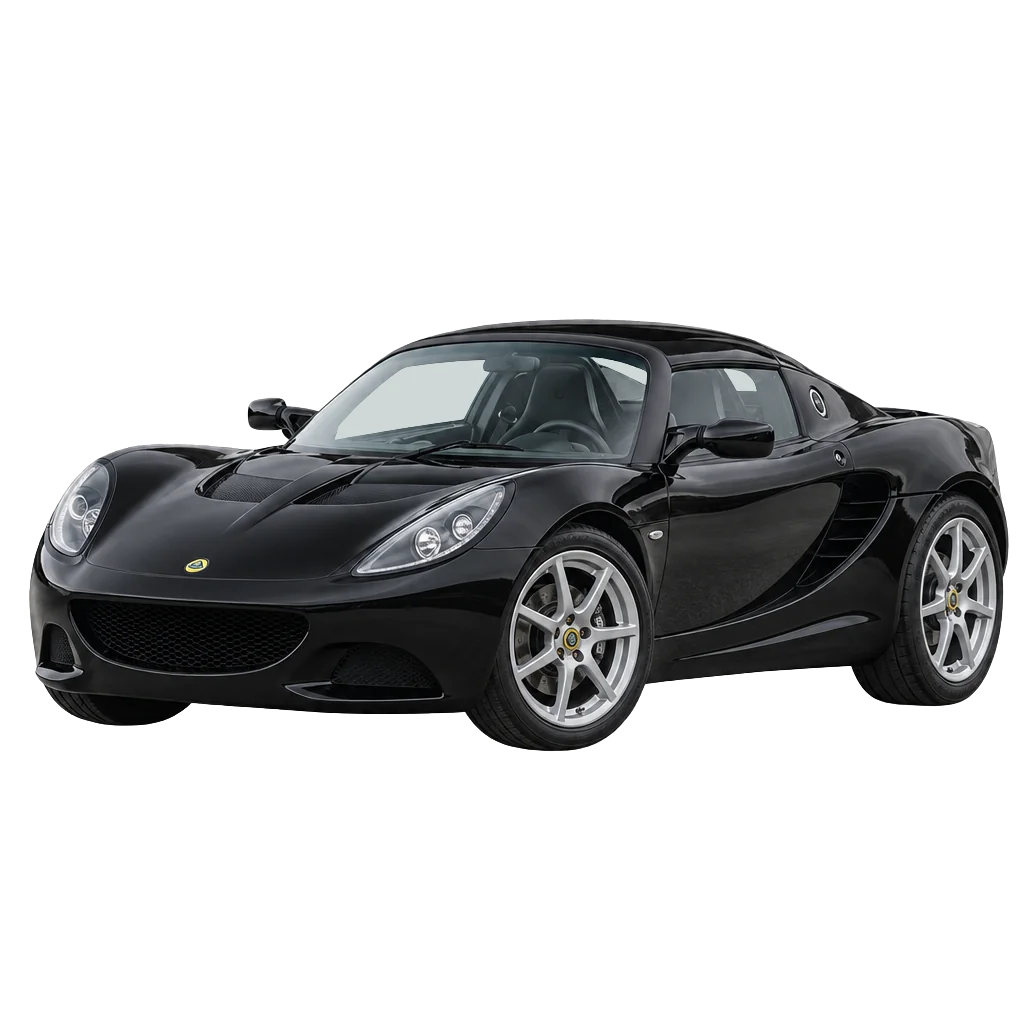
Generations
Power is the PS range stored on the published engines. Dates use the precision recorded for that generation.
- Recorded datesJanuary 1996 – January 2021
- Engines0 engines
- Variants0 variants
- Dataset0 cars in our dataset
- Recorded datesSeptember 1996 – 2001
- Engines2 engines
- Power123.7–157.8 PS
- FuelsPetrol
- Variants2 variants
- Dataset225 cars in our dataset
- Recorded datesDecember 2003 – November 2010
- Engines3 engines
- Power135.9–191.7 PS
- FuelsPetrol
- Variants3 variants
- Dataset91 cars in our dataset
- Recorded datesMarch 2010 – January 2022
- Engines2 engines
- Power220–246 PS
- FuelsPetrol
- Variants4 variants
- Dataset74 cars in our dataset
Engines and trims
Published engines for this model. Power is the stored PS range for that engine, and it can differ between trims and gearboxes.
| Engine | Generation | Fuel | Power range |
|---|---|---|---|
| 1.8 petrol 124PS | Lotus Elise Series 1 | Petrol | 123.7 PS |
| 1.8 petrol 158PS | Lotus Elise Series 1 | Petrol | 157.8 PS |
| 1.8 petrol 136PS | Series 2 | Petrol | 135.9 PS |
| 1.8 petrol 143PS | Series 2 | Petrol | 143 PS |
| 1.8 petrol 192PS | Series 2 | Petrol | 191.7 PS |
| 1.8 petrol 220PS | Series 3 | Petrol | 220 PS |
| 1.8 petrol 246PS | Series 3 | Petrol | 246 PS |
Trims
- 111R 16V Touring
- 111S
- 16V
- Cup
- S
- S Touring
- S Touring Sport
- Sport
Body styles and versions
Convertible. Each generation page lists the versions offered with those body styles.
Specifications
- Generations
- 4
- Engines
- 7
- Power
- 123.7–246 PS
- Fuels
- Petrol
- Body styles
- Convertible
- Transmissions
- Manual
- UK dataset
- 390 cars in our dataset
Performance
Highest engine power
Each row is an engine family. Power can differ between the trims and gearboxes listed on that engine page.
| Engine | Generation | Power | Fuel |
|---|---|---|---|
| 1.8 petrol 246PS | Series 3 | 246 PS | Petrol |
| 1.8 petrol 220PS | Series 3 | 220 PS | Petrol |
| 1.8 petrol 192PS | Series 2 | 191.7 PS | Petrol |
| 1.8 petrol 158PS | Lotus Elise Series 1 | 157.8 PS | Petrol |
| 1.8 petrol 143PS | Series 2 | 143 PS | Petrol |
| 1.8 petrol 136PS | Series 2 | 135.9 PS | Petrol |
Economy
These are the highest official combined mpg ranges stored on each engine. The test cycle is recorded on the variant, so ranges from different cycles are not ranked as one list of winners.
| Engine | Generation | Combined mpg range | CO₂ range |
|---|---|---|---|
| 1.8 petrol 158PS | Lotus Elise Series 1 | 40.9 mpg | 163 g/km |
| 1.8 petrol 124PS | Lotus Elise Series 1 | 38.7 mpg | 177 g/km |
| 1.8 petrol 220PS | Series 3 | 36.7–37.7 mpg | 173–176.5 g/km |
| 1.8 petrol 246PS | Series 3 | 37.7 mpg | 175 g/km |
| 1.8 petrol 136PS | Series 2 | 34 mpg | 196 g/km |
| 1.8 petrol 143PS | Series 2 | 32.1 mpg | 208 g/km |
Registration statistics
390 cars in our dataset for Lotus Elise. Fuel, body, and gearbox mixes are counted inside each generation, so they are not added together here.
| Generation | Dataset | Recorded dates |
|---|---|---|
| 111 | 0 | 1996-01 – 2021-01 |
| Lotus Elise Series 1 | 225 | 1996-09 – 2001 |
| Series 2 | 91 | 2003-12 – 2010-11 |
| Series 3 | 74 | 2010-03 – 2022-01 |
Other Lotus models
Related VehicleScore tools
Check your Lotus Elise
Enter a UK registration to check a Lotus Elise. This page describes the model, not one number plate.
Questions
How many Lotus Elise cars are in the VehicleScore dataset?
390 cars in our dataset. That is the catalogue sample, not UK sales or production.
Which Elise generations are covered?
111, Lotus Elise Series 1, Series 2, Series 3
How these figures are produced
Specifications and counts come from the VehicleScore UK vehicle catalogue. A count of cars is the number of records in that dataset. It is not UK production, not sales, and not the number of cars currently on the road.
Power is shown in PS where the catalogue stores PS, and in bhp only where bhp is stored separately. Official fuel economy is labelled NEDC or WLTP when the test cycle is known. Figures from different cycles are not ranked together. Empty values are left blank.
The catalogue does not store a revision date, so these pages do not show a last-updated day.